Use AI confidently. Keep teaching in your hands.
Create and check lesson plans, worksheets, quizzes and feedback for your classroom—while keeping students thinking.
- For teachers of Classes 6–12
- Live online, hands-on learning
- Course format: six 60-minute sessions over three weeks
- No coding required
A practical programme for school teachers in India, led by Sidharth Mahotra — former ISRO Scientist, former Principal Data Scientist at Medtronic, and technical author.
- No coding required
- Bring your own subject and lesson topic
- Build a teaching portfolio
AI should support your teaching judgement
An AI-generated worksheet can look polished and still contain a wrong answer, an unclear question or an explanation that does not suit your learners.
Learn a repeatable process: start with a learning objective, give AI useful context, review its draft, and improve it before classroom use. You remain responsible for the teaching decisions.
Students should practise thinking, explaining and checking their work. Teachers should be able to show them how.
What you will learn to create
Lesson plans with a clear purpose
Turn a topic and learning objective into a lesson sequence with examples, questions and checks for understanding. Compare the draft with your own curriculum requirements.
Worksheets for different starting points
Create supported, standard and extension activities around the same learning goal. Adapt language and examples without accidentally changing the concept being taught.
Quizzes and feedback you can check
Draft questions, answer keys, explanations and marking rubrics. Check ambiguity, difficulty and correctness before assigning work or using feedback.
Activities that reveal student thinking
Use hints, oral explanations, worked steps, reflection and short project discussions to see what students understand. Establish clear expectations for acknowledging AI assistance.
Useful classroom resources
Build concise slides, concept explanations and source-based study guides. Inspect factual claims, diagrams and references before sharing them.
Everyday teacher communications
Draft parent updates, activity instructions and classroom announcements using fictional examples during practice. Review tone, accuracy and confidentiality before sending anything.
Six practical sessions
Planned first-cohort format: six live sessions of 60 minutes over three weeks, with a short practice task between sessions. Dates, fees and teaching language will be confirmed before enrolment.
Tap a session to expand.
Your final teaching portfolio
- 01One lesson plan tied to a stated learning objective.
- 02One worksheet set for different levels of support.
- 03One quiz with a checked answer key.
- 04One rubric and sample feedback using fictional student work.
- 05One short teaching resource with verified sources.
- 06A record of the prompts, checks and changes you made.
Built around your classroom
Bring your own subject, class level and topic. Indian cohorts can use examples from CBSE, CISCE and state-board classrooms, with alignment checked against the curriculum supplied for that cohort.
Examples may include a Science explanation, a Mathematics error-analysis task, an English comprehension exercise, or a Social Science source comparison. The workflow stays consistent while the teaching material changes.
International schools can enquire about an adapted workshop using their curriculum, school policies and time zone.
Responsible use is part of every session
- Check facts, calculations, answer keys, diagrams and source claims.
- Practise with fictional or appropriately de-identified examples.
- Keep identifiable student records and confidential school material out of unapproved tools.
- Review school rules and tool requirements before involving students directly.
- Make AI assistance visible where the assignment requires it.
- Keep final assessment and feedback decisions with the teacher.
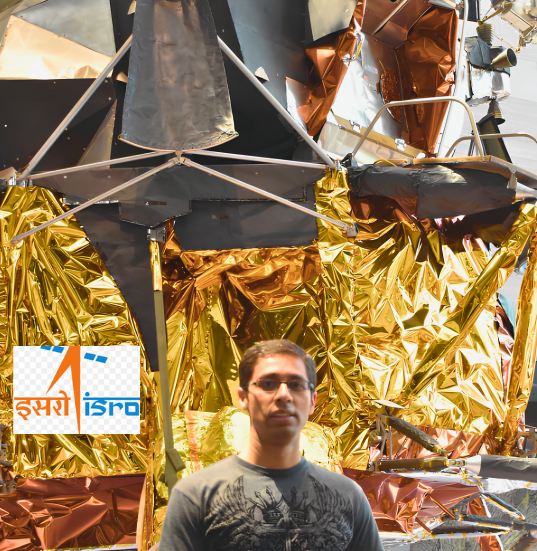
Sidharth Mahotra
Former ISRO Scientist · 20+ Years in Engineering, Research & Applied AI · Hands-on Learning
Sidharth brings more than 20 years of experience across engineering, research and applied AI in India and the United States. His background includes work as a Scientist at ISRO and Principal Data Scientist at Medtronic. He holds an M.S. in Electrical Engineering from the University of Texas at Dallas, is an IEEE Senior Member, and has co-authored a technical textbook. His approach combines practical demonstrations with a habit from engineering and research: check the result before relying on it.
- Former ISRO Scientist
- 20+ Years in Engineering, Research & Applied AI
- Healthcare AI, Computer Vision and Audio DSP Specialist (USA)
- IEEE Senior Member
- Published Author and Researcher
- Invited Speaker (Podcasts, YouTube & Academia)
Common questions
Bring one lesson. Start building your AI teaching practice.
Tell us your subject, class level and whether you are enquiring for yourself or your school.
Prefer email? [email protected]
Prefer to write directly? Tap to copy: